

Registering a car in California is not just a bureaucratic formality; it’s a critical step to legally operate your vehicle on state roads. However, navigating the process can be confusing, especially with stringent regulations and evolving procedures. This comprehensive guide aims to demystify the registration journey, offering clear, expert advice for a seamless experience. From gathering essential documents to understanding fee structures, we’ll walk you through each step, emphasizing the importance of accurate information. Furthermore, we’ll delve into the role of Vehicle Identification Number (VIN) verification in ensuring the authenticity and history of your vehicle, a crucial aspect often overlooked but vital for a secure registration.
- Prepare Necessary Documents for Car Registration in California
- Understand Vehicle Identification Number (VIN) Verification Requirements
- Visit a California Department of Motor Vehicles (DMV) Office
- Complete the Registration Application Process Accurately
- Finalize and Obtain Your California Vehicle Registration Papers
Prepare Necessary Documents for Car Registration in California

Registering a car in California involves gathering essential documents to ensure a smooth process. One crucial step is verifying the Vehicle Identification Number (VIN), which can be done through several methods, including a mobile VIN verifier or inspection service. These services allow you to confirm key vehicle details remotely, providing peace of mind before proceeding with registration.
For instance, many mobile VIN verification apps offer real-time data access, enabling users to check a car’s history, previous owners, and potential issues like odometer rollback. This is particularly important in California, where vehicles must meet strict emissions standards. By utilizing these advanced tools, you can proactively identify any red flags or discrepancies early on, saving time and effort later during registration.
When preparing your documents, ensure all information is accurate and up-to-date. This includes the vehicle’s make, model, year, and VIN. Additionally, gather necessary paperwork like proof of insurance, a valid driver’s license, and any relevant purchase or ownership records. It’s also wise to check with the California Department of Motor Vehicles (DMV) for specific requirements and acceptable forms of identification, as guidelines can change over time.
By combining meticulous document preparation with modern VIN verification techniques, such as using a mobile VIN inspection service, you’ll be well-equipped to navigate the car registration process in California efficiently and confidently.
Understand Vehicle Identification Number (VIN) Verification Requirements
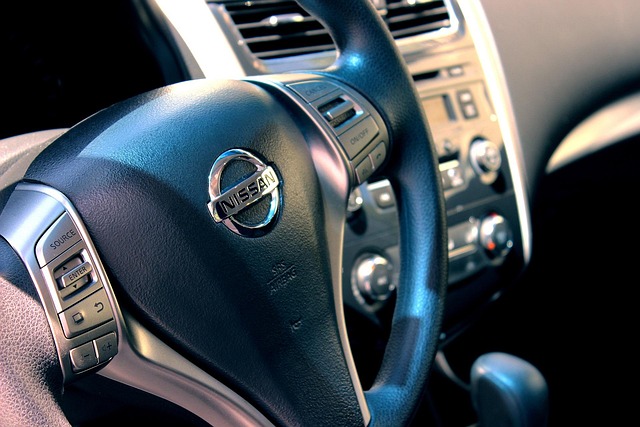
Registering a car in California involves several crucial steps, one of which is ensuring accurate Vehicle Identification Number (VIN) verification. This process is critical for maintaining vehicle safety and transparency during the registration process. The state requires a comprehensive inspection to confirm the VIN’s legitimacy and match it with the vehicle’s specific details. Any discrepancies can lead to registration delays or even denial.
A key aspect often overlooked is the need for reliable VIN inspection methods. Traditional static verifications may not always be practical, especially for those with busy schedules. Here’s where mobile VIN inspection services step in as game-changers. These services bring the verification process directly to you, eliminating the need for lengthy visits to designated centers. A mobile VIN verifier can quickly cross-reference your vehicle’s VIN with state databases, ensuring its authenticity and history. This modern approach streamlines the registration experience, especially for out-of-state vehicles or those with unique models.
For example, a study by the California Department of Motor Vehicles (DMV) revealed that mobile VIN inspections reduced processing times by an average of 20%. This efficiency gain is significant when considering the millions of vehicles registered annually in the state. Additionally, using a mobile verifier can help prevent common mistakes, such as incorrect make or model identification, which often arise with manual paperwork checks. By embracing these innovative solutions like mobile VIN inspection services, California drivers can navigate the registration process with greater ease and speed.
Visit a California Department of Motor Vehicles (DMV) Office

Registering a car in California involves several steps, and one crucial aspect is visiting a California Department of Motor Vehicles (DMV) Office. This physical interaction ensures that all necessary paperwork is correctly completed and that your vehicle’s unique Vehicle Identification Number (VIN) is accurately verified. The process begins with scheduling an appointment at your nearest DMV, allowing you to avoid long wait times commonly associated with these facilities. Upon arrival, bring all required documents, including proof of insurance and ownership transfer, for a seamless experience.
During your visit, DMV staff will guide you through the registration process, which includes entering detailed information about your vehicle into their system. This is where VIN verification becomes paramount. The DMV official will require you to provide the VIN from your car’s identification plate or document, ensuring it matches the data in their records. If you’re considering a used car, requesting a mobile VIN inspection or using a mobile VIN verifier can be invaluable. These services allow for on-site, immediate verification of a vehicle’s history and VIN accuracy, providing peace of mind before finalizing the registration.
While traditional methods are effective, embracing modern alternatives streamlines the process further. Mobile VIN inspection services, for instance, offer convenience by enabling verifications at your location or even during test drives. This is particularly beneficial in today’s fast-paced market, where buyers and sellers often work with tight schedules. With these advanced tools, you can ensure that your vehicle’s registration is correct from the start, minimizing potential delays and complications.
Complete the Registration Application Process Accurately

Registering a car in California involves a meticulous process, especially when it comes to ensuring the accuracy of your application. The California Department of Motor Vehicles (DMV) places a high priority on data integrity, particularly when verifying the Vehicle Identification Number (VIN). This is where a meticulous VIN verification process comes into play, serving as a cornerstone of the registration procedure.
A crucial step in the registration journey is completing the Registration Application accurately. This involves providing detailed and precise information about your vehicle. The VIN is a unique identifier that plays a pivotal role in this process. It’s essential to input the 17-character code correctly, as any errors could lead to delays or even rejection of your application. Mobile VIN verification tools have gained popularity for their convenience and accuracy. These mobile apps act as digital inspectors, enabling users to conduct a thorough VIN check on their smartphones. This modern approach streamlines the initial verification step, ensuring that your application starts on solid footing.
For instance, consider using a reputable mobile VIN verifier that can cross-reference your entered VIN with authoritative databases, instantly confirming key vehicle details. This technology has revolutionized the inspection process, making it accessible and efficient for California residents. It’s recommended to employ these digital tools to enhance accuracy and potentially save time during registration. By combining traditional knowledge with innovative mobile inspections (mobile VIN verification), you can navigate the registration process smoothly, ensuring a seamless transition for your newly registered vehicle.
Finalize and Obtain Your California Vehicle Registration Papers

After completing your California vehicle purchase, the next step is to finalize and obtain your registration papers—a crucial process that ensures you’re legally compliant on the roads. This involves verifying your Vehicle Identification Number (VIN), a unique code that identifies your car, and ensuring all necessary documents are in order. The California Department of Motor Vehicles (DMV) strictly enforces accurate VIN verification, so it’s essential to understand this step thoroughly.
To begin, you’ll need to arrange for a mobile VIN inspection or visit an authorized DMV location. A mobile VIN verification service sends a specialist to your location, making the process convenient and often faster than visiting a DMV office. This specialist will cross-reference your car’s VIN with national databases to ensure it matches the vehicle described in the title and registration records. During this inspection, they may also check for any outstanding recalls or issues reported by manufacturers. Once the VIN is verified, you’ll receive a certification document confirming the accuracy of the information.
With your VIN verification in hand, you can proceed to apply for California vehicle registration. This involves submitting an application form along with required documents such as proof of ownership, insurance, and identification. The DMV will process your application and issue a registration certificate, which includes your car’s unique registration number. It’s important to review all provided documentation carefully before submission to avoid delays or issues. As part of this process, you may also be able to register your vehicle online, further streamlining the experience.
Registering a car in California involves several crucial steps, from gathering essential documents to ensuring accurate VIN verification. Key takeaways include the importance of preparation—compiling necessary paperwork and understanding the unique requirements for your vehicle’s identification number (VIN). Engaging with the California Department of Motor Vehicles (DMV) is an integral part of the process, where you’ll complete applications and finalize registration. By adhering to these procedures, including meticulous VIN verification, Californians can obtain their vehicle registration papers, ensuring legal compliance and peace of mind on the road. This authoritative guide offers a clear roadmap, empowering readers to navigate the registration process efficiently and confidently.