

Registering a car in California is a straightforward process, but understanding the requirements and gathering the right documents is essential. This step-by-step guide will walk you through the entire procedure, from ensuring your vehicle’s Vehicle Identification Number (VIN) accuracy with a DMV VIN verifier to completing the application. By following these simple steps, you’ll have your California car registration taken care of promptly.
- Understand California Car Registration Requirements
- Gather Necessary Documents for Car Registration
- Visit Your Local DMV Office or Use Online Services
- Verify Vehicle Identification Number (VIN) Accuracy
- Complete and Submit Your Car Registration Application
Understand California Car Registration Requirements

Before registering your car in California, it’s crucial to understand the state’s specific requirements. The California Department of Motor Vehicles (DMV) mandates that all vehicles operated within the state must be properly registered and have a valid inspection certificate. This process involves verifying the vehicle’s identity through its unique Vehicle Identification Number (VIN).
One essential step is ensuring accurate VIN documentation, which can be quickly confirmed using a DMV-approved VIN verifier. This service, often available through mobile vin verification or on-site vin inspection, ensures that the car matches the details in the registration documents. Complying with these requirements not only facilitates smooth driving but also aids law enforcement and emergency services in identifying vehicles during emergencies.
Gather Necessary Documents for Car Registration

Before heading to the California Department of Motor Vehicles (DMV), ensure you have all the required documents for a smooth car registration process. The first step is to obtain an accurate Vehicle Identification Number (VIN) inspection. This can be done through a mobile VIN inspector or using a DMV-approved VIN verifier, which verifies the vehicle’s history and ensures it meets safety standards.
Gathering these necessary documents will save you time at the DMV. Bring along your current registration (if transferring from another state), proof of insurance, a valid driver’s license, and any other requested documentation. It is also beneficial to check the DMV’s website for specific requirements, as some additional steps may be needed depending on your vehicle type or previous registration history.
Visit Your Local DMV Office or Use Online Services

If you’re looking to register your car in California, one of the first steps is visiting your local DMV office or utilizing online services. The California Department of Motor Vehicles (DMV) provides several options for registration, including in-person visits and digital platforms. Utilizing their online services can save time, as it allows you to complete much of the process from the comfort of your home.
For added convenience, some services offer mobile vin verification and inspection, ensuring a seamless experience. The DMV’s vin verifier tool facilitates the verification of your vehicle’s unique identification number (VIN), which is essential for accurate registration. Whether you choose to visit an office or go digital, this crucial step ensures that all information associated with your car is correct and up-to-date, streamlining the registration process in California.
Verify Vehicle Identification Number (VIN) Accuracy
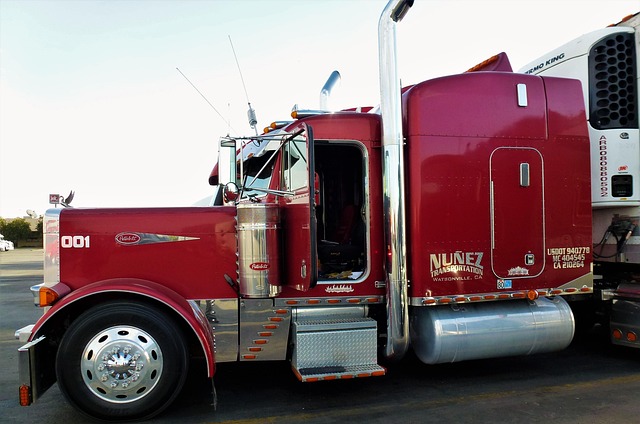
Before registering your car in California, it’s crucial to ensure that the Vehicle Identification Number (VIN) is accurate and legitimate. This unique 17-character code is a vital piece of information for identifying your vehicle, and any errors or tampering could lead to registration issues or even legal complications. One reliable way to verify the VIN is by using a DMV-approved vin verifier, which can cross-check the data against official databases.
A mobile vin inspection or verification service might be particularly convenient for California residents. These services send a trained professional to your location, allowing them to double-check the VIN’s accuracy with specialized equipment. This ensures that when you present your vehicle for registration, the provided information aligns perfectly with state records, streamlining the process and preventing potential delays.
Complete and Submit Your Car Registration Application

After gathering your necessary documents, it’s time to complete and submit your car registration application. The California Department of Motor Vehicles (DMV) offers several ways to do this, including online, by mail, or in-person at a DMV field office. For added convenience and efficiency, consider using the DMV’s Vehicle Identification Number (VIN) verifier tool. This service allows you to verify your vehicle’s VIN online or through a mobile vin verification app, ensuring that all information is accurate before submitting your application.
When filling out the form, double-check all details, including your personal information and vehicle specifications. Make sure the VIN provided matches exactly with the one on your car’s title and registration documents. For an alternative to traditional vin inspection at a DMV office, some mobile vin verifier services can perform this check remotely using your smartphone or tablet, offering a more flexible and time-saving option.
Registering a car in California is a straightforward process, but understanding the requirements and gathering the right documents are essential. By visiting your local DMV or utilizing online services, you can efficiently complete the registration. Remember to verify your Vehicle Identification Number (VIN) accuracy using a trusted dmv vin verifier to ensure a smooth experience. Once your application is submitted, you’ll be on your way with a properly registered vehicle.