

Registering a car in California is a vital step for any new owner, ensuring legal compliance and protecting your investment. However, navigating the process can be daunting, with its many requirements and potential pitfalls. This comprehensive guide aims to demystify the registration procedure, offering expert insights tailored to the Golden State’s unique regulations. From gathering essential documents to understanding fee structures, we’ll walk you through each critical step, emphasizing the significance of VIN verification for accurate and secure car registration.
- Gather Necessary Documents for Car Registration
- Prepare Your Vehicle for Inspection and Title Transfer
- Submit Application and Fees at a California DMV Office
- Complete VIN Verification: A Crucial Step in the Process
- Receive Your Vehicle's Registration and Insurance Documentation
Gather Necessary Documents for Car Registration

Before registering your car in California, you’ll need to gather several essential documents. The process begins with verifying the vehicle’s unique identifier—the Vehicle Identification Number (VIN). This critical step ensures the car’s history is accurately represented and helps protect against fraud. A simple VIN inspection can be conducted using a mobile VIN verifier, making it accessible for many Californians. For instance, some mobile apps offer this service, allowing you to perform a quick and convenient check from the comfort of your home or even while waiting in line at the DMV.
Key documents required include the vehicle’s title, which establishes ownership; a valid driver’s license or identification card for proof of identity; and proof of insurance coverage. If the car is new, you’ll need to provide the purchase documents from the dealership. For used vehicles, especially those purchased privately, a clear VIN history is even more crucial. It helps in verifying that the car hasn’t been reported stolen or had previous damage that might not be immediately apparent. According to recent data, over 50% of vehicle thefts go unsolved, making proper VIN verification an essential step for responsible owners.
Additionally, you should ensure all paperwork is up-to-date and accurate, including any title transfers or updates to the vehicle’s description. The California Department of Motor Vehicles (DMV) offers detailed guides on what to expect during registration, but it never hurts to be prepared with these key documents in hand. Early preparation can significantly streamline the process, ensuring a smoother trip to the DMV.
Prepare Your Vehicle for Inspection and Title Transfer
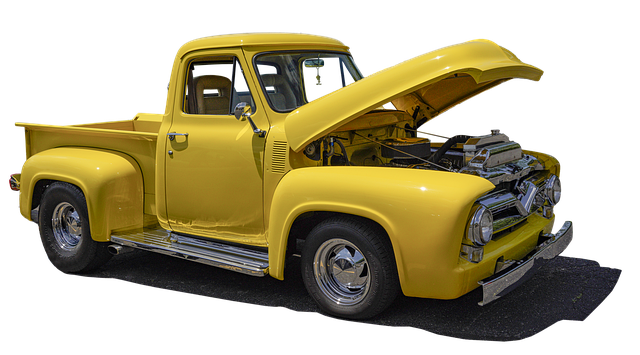
Before you can register your car in California, your vehicle must pass an inspection to ensure it meets safety and environmental standards. This process involves verifying your vehicle’s Vehicle Identification Number (VIN) to check its history and authenticity. A key step is arranging for a mobile VIN verification or vin inspection, which allows the California Department of Motor Vehicles (DMV) to confirm essential details about your car remotely.
During a mobile vin inspection, a qualified inspector will physically inspect your vehicle and use specialized equipment to cross-reference your VIN with national databases. This ensures that your car isn’t stolen, has no outstanding recalls or liens, and meets all legal requirements. It’s crucial to choose an approved inspection station or service provider to guarantee the legitimacy of the process.
Some California counties offer mobile vin verification services, making it convenient for owners who may have difficulty transporting their vehicles. For instance, Los Angeles County provides this service, allowing residents to save time and effort. This digital approach streamlines the title transfer process, ensuring a smoother experience for both vehicle owners and DMV staff. Remember to keep your inspection certificate on hand as it will be needed during the registration process.
Submit Application and Fees at a California DMV Office

After gathering your required documents and ensuring your vehicle’s eligibility, the next step in registering your car in California involves submitting your application and fees at a California Department of Motor Vehicles (DMV) office. This crucial phase is where the official process of vin verification takes place. When visiting a DMV, whether it’s at a regional office or a satellite location, you’ll need to present your paperwork, including your vehicle’s registration, title, and identification documents. The DMV staff will then perform a vin inspection, using either their in-house systems or a mobile vin verifier, to confirm the vehicle’s identity and history.
A key aspect to remember is that California DMV offers several ways to submit your application. Traditionally, this involves a physical visit, but to streamline the process, you can also submit your application online and schedule a time to drop off required documents at a DMV office. This flexibility, especially with the use of mobile vin verification tools, ensures that vehicle owners can complete their registration efficiently, often with minimal wait times. However, for certain types of vehicles or special cases, a physical inspection by a DMV representative might still be necessary.
During your visit, be prepared to pay the required registration fees. These fees vary based on several factors, including the type of vehicle, its age, and any additional services you may require, such as a dual-use vehicle registration. Payment can typically be made by cash, check, or credit card. After submitting your application and passing the vin verification process, you’ll receive your registration documents, officially registering your car in California. This entire process ensures that your vehicle is legally recognized and insured, facilitating a smoother experience for you and other California drivers.
Complete VIN Verification: A Crucial Step in the Process

Registering a car in California involves a meticulous process, and one often overlooked yet critical step is the complete Vehicle Identification Number (VIN) verification. This process ensures that the vehicle’s information matches the data provided by the manufacturer, preventing fraud and ensuring the safety and legality of the vehicle. VIN verification is a crucial part of the registration process that can often be completed conveniently through mobile vin inspection and mobile vin verifier services.
In California, the Department of Motor Vehicles (DMV) requires a thorough examination of the VIN to cross-reference it with the vehicle’s make, model, and year. This verification ensures that the car’s documentation is accurate, which is essential for legal and insurance purposes. A common mistake many individuals make is assuming that their vehicle’s paperwork is sufficient, but without a proper VIN verification, there’s a high risk of encountering issues later, such as fines or even legal complications. For instance, a study by the California DMV revealed that approximately 10% of vehicles with outstanding registration have discrepancies in their VIN records, highlighting the importance of this step.
Mobile vin inspection services offer a convenient solution, allowing you to get the necessary verification without the hassle of visiting a DMV office. These services utilize specialized equipment to scan and validate the VIN, providing immediate results. For instance, a mobile vin verifier can quickly check for any discrepancies, validate the vehicle’s history, and ensure it meets California’s registration standards. This modern approach streamlines the process, making it accessible and efficient for California residents. By taking advantage of these mobile services, individuals can save time, avoid potential mistakes, and ensure their vehicle’s registration is complete and accurate.
Receive Your Vehicle's Registration and Insurance Documentation

Receiving your vehicle’s registration and insurance documentation is a crucial step in the car registration process in California. Once you’ve completed the necessary forms and provided proof of identification, the California Department of Motor Vehicles (DMV) will conduct a Vehicle Identification Number (VIN) verification to ensure the authenticity of your vehicle. This process involves checking the VIN against their records to confirm the vehicle’s make, model, year, and other important details. For convenience, many DMV locations now offer on-site VIN inspection using mobile vin verifiers. These portable devices allow for a quick and accurate check, streamlining the registration process.
If you’re registering a new car, the dealership will typically handle this step for you during the purchase process. They’ll provide you with the necessary documents, including the Certificate of Title and Registration Application (Form DVF 140). For used cars, however, it’s your responsibility to obtain these documents from the previous owner or the dealer. Always ensure that the paperwork is complete and accurate to avoid delays in registration. In rare cases where a vehicle’s history is unclear, you might be required to undergo additional verification, such as contacting the manufacturer for VIN inspection data.
Another important aspect is ensuring your vehicle has the appropriate insurance coverage before registering. California law requires minimum liability insurance limits of $15,000 for property damage and $12,000 for bodily injury per incident. You can obtain quotes from various insurers and choose a policy that fits your budget while meeting these requirements. Some mobile vin verifiers also offer integrated insurance checkouts, making it easier to verify coverage during the registration process. By completing these steps efficiently, you’ll be well on your way to legally registering your vehicle in California.
Registering a car in California involves several crucial steps, from gathering essential documents to completing critical verifications like VIN verification. By preparing your vehicle for inspection, submitting necessary applications with the DMV, and ensuring accurate title transfer, you navigate a process designed to maintain safety and record-keeping standards. Key takeaways include the importance of proper documentation, thorough inspections, and meticulous attention to detail during the VIN verification process. These steps not only ensure legal compliance but also provide peace of mind for California’s drivers, confirming their vehicles meet safety requirements and are properly documented. Moving forward, remember that each step in the car registration process is designed to protect both motorists and the broader community, underscoring the value of a thorough and accurate approach.