

Registering a car in California is not just a bureaucratic task; it’s a crucial step for any vehicle owner, ensuring legal compliance and protection. However, navigating the process can be cumbersome, given the stringent requirements and complex procedures. This article serves as your comprehensive guide, offering expert insights on every step of the registration journey. From gathering essential documents to using reliable tools like VIN verifier, we’ll walk you through each phase, ensuring a seamless experience. By the end, you’ll be well-equipped to register your vehicle efficiently and with confidence.
- Prepare Necessary Documents for Car Registration
- Verify Vehicle Identification Number (VIN) with a Tool
- Choose an Appropriate California Motor Vehicle Office
- Submit Application and Required Fees for Registration
- Receive Your Vehicle's Registration Certificate
Prepare Necessary Documents for Car Registration

Registering a car in California involves a series of steps, with document preparation being a critical phase. To ensure a seamless process, owners must gather essential papers, including proof of ownership, vehicle identification number (VIN) verification documents, and applicable fees. One crucial tool for this stage is a mobile VIN verifier, which allows for convenient and accurate check of your vehicle’s history.
When preparing your documents, start by acquiring the Certificate of Ownership (also known as the ‘title’) from the previous owner. This legal document establishes you as the new car owner. Alongside it, you’ll need to provide a valid driver’s license or state ID card. For out-of-state purchases, a temporary registration or a bill of sale signed by the seller can suffice until you complete the California registration process. Mobile VIN verification services play a significant role here, offering fast and reliable ways to confirm the vehicle’s history and identify any potential issues.
The next step involves gathering information from your car’s VIN. This unique 17-character code is used for identification and tracking purposes. Utilize a mobile VIN verifier app to retrieve detailed vehicle specifications, including manufacturing date, model year, and previous ownership history. Accurately documenting this data ensures that you meet California’s registration requirements. It also helps prevent fraud, as the state’s Department of Motor Vehicles (DMV) can verify the information during the registration process. For instance, a 2015 Honda Civic with a specific VIN might reveal it was originally registered in Oregon and has had two previous owners.
Additionally, be prepared to present any available service records or maintenance logs. These documents showcase your vehicle’s history and can expedite the registration process. Some car dealerships and service centers offer mobile VIN inspection services, allowing you to verify your car’s details on-site before completing the registration paperwork. Always ensure that all documents are up-to-date and accurate to avoid delays and potential issues with California’s DMV.
Verify Vehicle Identification Number (VIN) with a Tool

Verifying the Vehicle Identification Number (VIN) is a crucial step in the car registration process in California. This number acts as a unique fingerprint for your vehicle, providing critical information about its make, model, year, and even history of ownership. To ensure accuracy and streamline the registration procedure, many applicants opt for a mobile VIN verification service. These tools offer a convenient and efficient way to cross-reference the VIN data with official databases.
A reputable VIN verifier will typically require you to input the 17-character VIN code and then provide a digital readout of the vehicle’s specifications. This instant validation can help identify any discrepancies or potential issues, such as odometer rollback, which is a common concern during used car transactions. For instance, a study by the California Department of Motor Vehicles (DMV) revealed that approximately 1 in 5 vehicles with reported odometer rollbacks were successfully identified through VIN verification checks.
Using a mobile vin verifier app or online service is straightforward. You can perform this check while at a car dealership or even before purchasing a vehicle. Some apps offer real-time data updates, ensuring you have the latest information available. By incorporating this simple step into your registration preparation, California residents can enhance the accuracy of their vehicle records and contribute to a safer and more transparent automotive industry.
Choose an Appropriate California Motor Vehicle Office

Choosing the right California Motor Vehicle Office (DMV) is a crucial step in the car registration process. With multiple locations across the state, each offering specialized services, selecting an appropriate DMV ensures a smoother and more efficient experience. The first consideration is whether you require an in-person visit or prefer a more convenient option like mobile VIN inspection services. Many Californians opt for mobile VIN verification, as it allows for a quick and hassle-free process, especially when dealing with out-of-state purchases or title transfers.
The DMV provides various services, including vehicle registration, title transfer, and emissions testing. Some offices are better equipped to handle specific needs; for instance, the downtown Los Angeles location offers advanced services like mobile VIN inspections, catering to the state’s bustling automotive scene. These specialized services ensure that vehicles meet safety and environmental standards, a critical aspect of California’s strict regulations. Online resources and dedicated staff can guide you in selecting the most suitable DMV, considering factors like service availability, waiting times, and proximity to your location.
When registering your vehicle, having accurate and up-to-date information is vital. The California DMV provides comprehensive guides and tools to assist with this process. They offer detailed instructions on what documents are required, including a valid driver’s license, proof of insurance, and, crucially, a Vehicle Identification Number (VIN) inspection or verification. This step ensures the vehicle’s authenticity and history, which is essential for safety and legal compliance. Many DMV locations now offer online registration services, streamlining the process further and reducing the need for extensive documentation.
Remember, selecting the appropriate DMV branch can significantly impact your registration experience. By utilizing mobile VIN inspection services or leveraging online resources, you can navigate this process efficiently. The California DMV’s official website is a valuable tool, offering insights into each office’s capabilities, ensuring you make an informed decision tailored to your specific needs.
Submit Application and Required Fees for Registration

After gathering all necessary documents and verifying your vehicle’s eligibility for registration through a VIN inspection or using a reliable VIN verifier, it’s time to submit your application and pay the required fees. This step is crucial in ensuring your car’s legal status on California roads. You can opt for traditional methods by visiting a local Department of Motor Vehicles (DMV) office or choose a more convenient approach with online submission.
If you decide on an online process, most DMVs offer digital registration services. Access the official California DMV website and locate the dedicated section for vehicle registration. Here, you’ll find detailed instructions guiding you through the steps to complete the application form. Ensure that all provided information is accurate and up-to-date. This includes your personal details, vehicle specifications, and payment method. Some mobile apps also facilitate this process, offering a seamless digital experience from start to finish, including mobile VIN verification for added convenience.
Along with the application, you’ll need to submit specific fees based on your vehicle’s type and age. California’s DMV provides a transparent breakdown of these costs, allowing you to prepare accordingly. Payment options typically include credit cards or debit cards, reflecting the evolving digital landscape where many transactions now favor electronic methods. After successful submission and payment confirmation, you’ll receive your registration documents in the mail, formally granting your vehicle the right to be operated on California’s public highways.
Practical advice includes double-checking all details before submission, as errors or omissions may cause delays. Additionally, consider scheduling a mobile VIN inspection if you’re unsure about your vehicle’s history. Many private companies offer these services, providing peace of mind and ensuring you meet all legal requirements without hassle.
Receive Your Vehicle's Registration Certificate
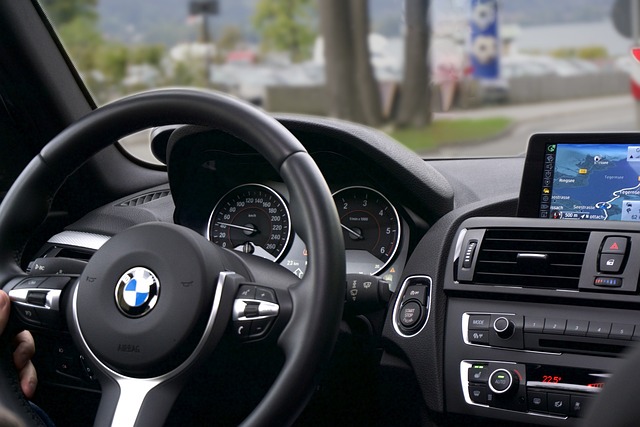
After completing your vehicle’s registration application and gathering all necessary documents, it’s time to receive your Vehicle’s Registration Certificate (VRC). This certificate is a crucial component of the car registration process in California. Upon submission of your application, the California Department of Motor Vehicles (DMV) will perform a thorough inspection, which includes verifying the vehicle identification number (VIN) using advanced technology like mobile VIN verification tools. This step ensures accuracy and helps combat fraud.
The mobile VIN verifier is an innovative tool that plays a significant role in modern car registration. It allows DMV inspectors to cross-reference your vehicle’s unique VIN with their database, providing instant validation. This process not only speeds up registration but also enhances security by deterring the use of counterfeit or stolen vehicles. For instance, the California DMV uses sophisticated software and databases to compare the provided VIN against records, ensuring that the vehicle is legitimate and not part of a known fraudulent scheme.
It’s essential to remember that VIN inspection can be conducted multiple times throughout your vehicle’s life cycle. Whether it’s during initial registration, annual renewals, or transactions involving the sale or transfer of ownership, having an up-to-date and accurate VIN record is paramount. Always ensure your mobile VIN verifier is functioning correctly, as any errors or discrepancies could delay your registration process. By adhering to these guidelines, California residents can streamline their car registration experience while maintaining the integrity of the state’s vehicle records system.
By meticulously preparing the required documents, verifying the Vehicle Identification Number (VIN) using a reliable VIN verifier, and strategically choosing a California Motor Vehicle Office, you can streamline the car registration process. Submitting a complete application along with the necessary fees will ensure a swift approval. Upon receipt of your vehicle’s registration certificate, you’ll be officially registered to drive in California, empowering you with the knowledge to navigate the state’s roads confidently and legally.