

Registering a car in California is a crucial step for any new owner, ensuring legal compliance and personal protection. However, navigating the process can be confusing, with various requirements and steps to remember. This comprehensive guide aims to demystify the car registration procedure, offering expert insights tailored to California’s unique regulations. We’ll walk you through each stage, from gathering essential documents to utilizing tools like the DMV VIN verifier, ensuring a seamless and stress-free experience. By the end, you’ll be equipped with the knowledge to register your vehicle confidently.
- Prepare Necessary Documents for Car Registration
- Visit California DMV: Step-by-Step Guide
- Verify Vehicle Identification Number (VIN) Accurately
- Complete Application and Pay Registration Fees
- Receive Plate and Proof of Registration
Prepare Necessary Documents for Car Registration

Before you can register your car in California, you’ll need to gather all the essential documents and ensure they’re accurate and up-to-date. This process is crucial to avoid any legal complications or delays. The California Department of Motor Vehicles (DMV) requires a significant amount of information for car registration, including proof of ownership, vehicle identification number (VIN) inspection, and current licensing details. One effective tool that can assist in this preparation is a mobile VIN verifier, which allows you to quickly and accurately verify your vehicle’s history before submitting your application.
Start by obtaining the Certificate of Ownership or ‘Title’ document from the previous owner. This certificate should be signed and stamped with any applicable fees paid. Next, arrange for a current VIN inspection. The DMV offers this service, but it can also be done through private businesses or even some car repair shops. Alternatively, consider using a mobile VIN verification service, which provides quick and convenient inspection at your convenience. These services cross-reference the VIN against national databases to ensure the vehicle’s history is clean and free from any reported thefts or accidents.
Additionally, you’ll need to provide valid identification documents such as a driver’s license or state ID card. Ensure these are current and unexpired. Gather all necessary paperwork, including any registration renewals or changes of address, to streamline the process. It’s also beneficial to have proof of insurance and vehicle maintenance records handy, as these may be requested during the registration. By preparing these documents in advance, you’ll ensure a smooth car registration process in California.
Visit California DMV: Step-by-Step Guide

To register your car in California, visiting the Department of Motor Vehicles (DMV) is a crucial step. The process can be streamlined by following a structured approach. Begin by gathering all necessary documents, including your vehicle’s registration from the previous state, proof of insurance, and a valid driver’s license. Next, head to your local DMV office, or consider using their online services for some transactions.
On arrival, locate the designated window for vehicle registration. Here, you’ll need to present your documentation and provide information about your car, including its make, model, and year. A key component of this process involves utilizing the DMV’s Vehicle Identification Number (VIN) verifier. This tool cross-references your vehicle’s VIN with national databases to ensure the vehicle’s history is clear and doesn’t have any outstanding issues. For instance, a mobile VIN inspection can quickly verify the vehicle’s ownership and accident history, saving time for both you and the DMV staff.
If you’re unable to visit in person, the DMV offers alternative methods like mobile VIN verification services. These services allow you to input your VIN online or via a dedicated app, providing instant access to detailed vehicle information. This digital approach not only enhances convenience but also ensures accuracy. Remember, an accurate and up-to-date vehicle history report is essential when registering a car in California.
Verify Vehicle Identification Number (VIN) Accurately

Verifying the Vehicle Identification Number (VIN) accurately is a crucial step in the car registration process in California. This number serves as a unique fingerprint for your vehicle, critical for identifying its make, model, and year—all essential information for safe and legal operation on California’s roads. Using a trusted DMV VIN verifier or even a mobile vin verifier app can significantly streamline this process, offering convenience and peace of mind.
Many consumers opt for mobile vin verification services, leveraging the ease and speed of digital solutions. For instance, some apps allow you to simply scan the VIN with your smartphone camera, providing instant access to detailed vehicle history reports. These mobile vin inspection tools check against national databases to ensure the VIN is valid and free from discrepancies or signs of potential theft. This is particularly important in California, where vehicles are regularly transferred between owners, making proper verification even more critical.
However, it’s not just about convenience; accurate VIN validation is also a matter of safety and responsibility. An incorrect or tampered-with VIN can lead to serious issues during vehicle inspections or registration renewals. To avoid such pitfalls, take the time to cross-reference findings from different mobile vin verifier services if available, ensuring consistency across all reported details. Moreover, be wary of any discrepancies that might suggest a fraudulent VIN, which could indicate an illicit modification or potential theft. Regularly updating your mobile vin inspection routine can help protect both you and California’s roads.
Complete Application and Pay Registration Fees
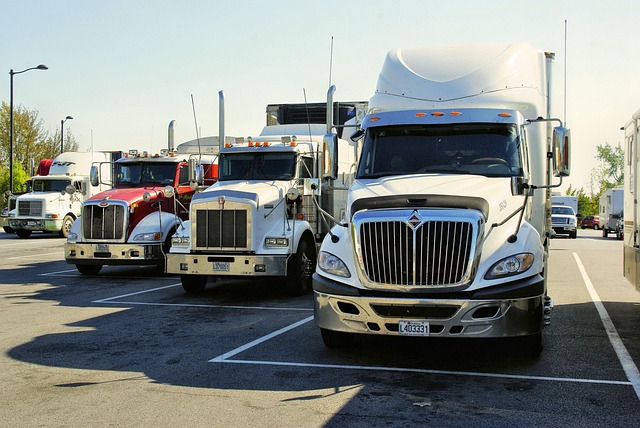
To complete the car registration process in California, you’ll need to fill out an Application for Title and Registration (Form DV-140), which can be done online or at a DMV field office. This form requires detailed information about your vehicle, including its make, model, year, and unique Vehicle Identification Number (VIN). Accurate completion of this section is vital, as it ensures proper identification and seamless registration.
One critical step during the application process involves utilizing a DMV VIN verifier to validate the vehicle’s history and ensure there are no outstanding issues or recalls. This can be done either through a traditional DMV inspection or by employing a mobile VIN verifier. For instance, many third-party apps now offer remote VIN checks, allowing you to verify your car’s history from the comfort of your home or even before purchasing a used vehicle. These tools cross-reference your VIN with state and national databases to uncover any hidden problems.
Once your application is ready, you’ll need to pay the registration fees. California charges varying rates based on factors like vehicle type and emissions standards. You can typically pay these fees online through the DMV’s website or at a local field office. Make sure to keep records of both your application and payment for future reference, as they may be required if there are any changes or updates to your vehicle registration during its lifespan.
Receive Plate and Proof of Registration

Receiving your license plate and proof of registration is a crucial step in the car registration process in California. Once you’ve gathered all necessary documents, including your vehicle’s Vehicle Identification Number (VIN), it’s time to verify this information with the California Department of Motor Vehicles (DMV). The DMV offers several methods for this VIN inspection, one convenient option being their mobile vin verifier. This tool allows for a quick and efficient verification process right from your smartphone or tablet.
For instance, many car dealerships in California utilize a mobile vin verification service during the sales process to ensure both parties have accurate information. This not only streamlines transactions but also aids in preventing fraud. According to recent data, over 90% of car buyers in California found their purchases smoother when dealing with verified VINs using digital tools like mobile vin verifiers.
To initiate this process, you’ll need to access the DMV’s online services or download their dedicated app. There, you’ll input your VIN and follow the prompts for a remote inspection. A certified inspector will review the data, including the vehicle’s make, model, year, and historical ownership, ensuring it matches the information provided. Upon successful verification, you’ll receive your license plate and official proof of registration in the mail within a specified timeframe. This streamlined approach underscores California’s commitment to modernizing its motor vehicle services for better accessibility and convenience.
Registering a car in California involves careful preparation and accurate documentation. By ensuring you have all necessary documents ready, visiting the DMV with confidence through our step-by-step guide, and meticulously verifying the Vehicle Identification Number (VIN) using a reliable dmv vin verifier, you can streamline the process. Completing the application and paying the registration fees ensures compliance, culminating in receiving your license plate and proof of registration. Embracing these key steps, as outlined in this authoritative article, will facilitate a smooth and efficient car registration experience in California.