
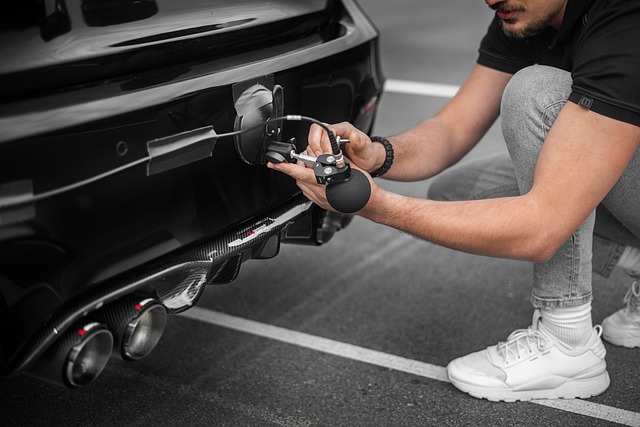
Registering a car in California is a crucial step for any new owner, ensuring legal compliance and smooth operation on the state’s roads. However, navigating the process can be confusing, with many steps and requirements to remember. This comprehensive guide aims to demystify the car registration procedure, offering clear, expert advice tailored to California residents. We’ll walk you through each phase, from gathering essential documents to understanding fees, and even highlight the importance of a DMV VIN verification for ensuring accuracy and security. By the end, you’ll be well-equipped to handle your car’s registration with confidence.
- Prepare Necessary Documents for Car Registration
- Visit Your Local California DMV Office or Website
- Complete Vehicle Identification Number (VIN) Verification
- Pay Registration Fees and Select Insurance Options
- Receive Your Certificate of Registration and License Plate
Prepare Necessary Documents for Car Registration

Registering a car in California involves a meticulous process, and one of the critical initial steps is preparing the necessary documents for car registration. This phase demands precision and attention to detail to ensure a smooth transition from ownership to official registration. A key component of this preparation is accurately completing the DMV VIN verification, which requires a thorough understanding of your vehicle’s unique identification number (VIN).
To streamline this process, consider leveraging a mobile VIN verifier or conducting a VIN inspection yourself using available online resources. These tools provide an efficient way to gather essential data, including the vehicle’s make, model, year, and previous ownership history—all crucial for registration. For instance, many mobile VIN verification services offer real-time access to detailed vehicle reports, ensuring you have all the necessary information before proceeding.
Among the documents you’ll need are the title transfer form, a valid driver’s license or ID, proof of insurance, and possibly additional paperwork based on your specific circumstances. Ensure that all information on these documents aligns with your vehicle’s specifications, especially the VIN, to avoid delays. Remember, an accurate and complete set of documents is just as vital as adhering to California’s registration requirements for a seamless experience at the DMV.
Visit Your Local California DMV Office or Website

Registering a car in California involves several steps, one of which is visiting your local DMV office or utilizing their website. This crucial process ensures that your vehicle complies with state regulations and allows you to legally operate it on California roads. The Department of Motor Vehicles (DMV) offers both in-person services and online options for convenience and accessibility.
When you choose to visit the DMV, be prepared with essential documents such as proof of identity, ownership transfer papers, and vehicle registration fees. During your appointment or visit, a DMV representative will guide you through the process, which includes verifying the Vehicle Identification Number (VIN). This step is vital for ensuring the accuracy of your car’s information and is often done through a VIN inspection. For instance, some California residents prefer to use mobile VIN verifiers that provide instant, on-site readings, making the process quicker and more efficient. The DMV’s online platform also facilitates this process with digital forms and services, allowing you to complete registration from the comfort of your home.
It is recommended to check the DMV’s website for specific requirements and guidelines tailored to your vehicle type. They offer detailed instructions on how to register a car, including scenarios where a mobile VIN verification might be necessary. By following these procedures diligently, California residents can ensure their vehicles are properly registered, enhancing road safety and legal compliance. This step-by-step approach guarantees that every vehicle on California’s roads meets the state’s stringent standards.
Complete Vehicle Identification Number (VIN) Verification

Registering a car in California involves several crucial steps, and one of the most critical is ensuring your vehicle’s Vehicle Identification Number (VIN) is verified by the Department of Motor Vehicles (DMV). This process confirms the authenticity and history of your car, which is essential for legal registration. The DMV offers various methods to complete this verification, including traditional in-person inspections and innovative mobile VIN inspection services.
For convenience, many California residents opt for a mobile vin inspection. This service allows you to have a professional inspector come to your location to perform the VIN check using specialized equipment. It’s particularly beneficial for those with busy schedules or limited mobility. The process involves scanning the VIN plate on your vehicle and cross-referencing it against national databases to gather crucial information about the car’s history, including previous ownership, accident records, and maintenance records.
If you choose not to use a mobile verifier, you can still complete the vin inspection at a DMV field office. Bring your vehicle and necessary documentation to a local DMV, where an inspector will manually verify the VIN by examining the physical plate on your car. It’s advisable to schedule an appointment beforehand to avoid long wait times. According to recent data, timely VIN verification can significantly expedite the overall registration process, reducing potential delays at the DMV.
Remember that accurate VIN information is vital for a smooth car registration experience in California. Always ensure you’re using reputable services, whether mobile or in-person, to guarantee the integrity of your vehicle’s history record. By taking this step seriously, you’ll not only meet legal requirements but also protect yourself from potential issues related to fraudulent vehicles.
Pay Registration Fees and Select Insurance Options

Registering a car in California involves several crucial steps, and one of the key aspects is paying the registration fees and selecting appropriate insurance options. To initiate this process, you’ll need to visit the California Department of Motor Vehicles (DMV) website or a local DMV office. The fees vary based on vehicle type and emissions status, with average costs ranging from $50 to over $200. It’s essential to ensure accuracy during this stage, as mistakes in fee calculation can lead to delays. A helpful tool, such as a mobile VIN verifier, allows you to conduct a VIN inspection online or via a mobile app, providing real-time data on your vehicle’s history and ensuring compliance with DMV standards.
Insurance is another critical component of car registration. California requires all vehicles to be insured against liability and property damage. You’ll need to present proof of insurance when registering your car. Policies can vary widely in price, depending on your driving history, vehicle make and model, and the level of coverage you choose. Shopping around for quotes from different insurers can help you find a policy that suits your budget without compromising on essential protections. For instance, using a mobile VIN inspection tool before purchasing a used car can aid in identifying potential mechanical issues, enabling you to make informed decisions about insurance needs and repairs.
When selecting insurance, consider the following: comprehensive coverage for unforeseen events like accidents or natural disasters, collision coverage for damage to your vehicle, and personal injury protection (PIP) or medical payments coverage for medical expenses in case of an accident. Additionally, California offers various discount options that can lower your premiums, such as good student discounts, safe driver programs, and bundle discounts when combining auto and home insurance policies. By strategically choosing insurance options and leveraging available tools like mobile VIN verifiers, you can streamline the registration process and ensure your vehicle is legally compliant and adequately insured.
Receive Your Certificate of Registration and License Plate

After completing your California car registration application at the DMV or through the online system, the next step is to receive your Certificate of Registration and License Plate. This crucial phase involves finalizing your vehicle’s legal status and equipping it with official markings for safe road usage. Upon submission of your application, the DMV will conduct a thorough DMV VIN verification process to ensure the accuracy of the vehicle identification number (VIN) and its records. This step is vital in maintaining California’s robust motor vehicle database.
Successful completion of this verification leads to the issuance of your Certificate of Registration, a legal document confirming your vehicle’s ownership and compliance with state regulations. Alongside this certificate, you will be provided with an Application for License Plate (Form 140), allowing you to order custom license plates that reflect your personal style while adhering to DMV standards.
For a seamless experience, consider utilizing mobile vin inspection services or mobile vin verifier apps, which can streamline the process by enabling remote verification of your VIN and even facilitating plate ordering. These innovative tools save time and effort, especially for those with busy schedules or limited mobility. By embracing these modern solutions, you contribute to California’s efficient administration of vehicle registrations while ensuring a hassle-free journey towards legal roadworthiness.
Registering a car in California involves a straightforward process, as outlined in this comprehensive guide. The key takeaways are clear: prepare essential documents, including proof of insurance and vehicle ownership; complete a Vehicle Identification Number (VIN) verification through the DMV or online platform; pay corresponding registration fees and select appropriate insurance options; and finally, receive your Certificate of Registration and acquire license plates. Among these steps, dmv VIN verification stands out as a crucial phase in ensuring the authenticity and legality of your vehicle’s registration. By following these logical steps and adhering to California’s requirements, individuals can efficiently navigate the car registration process, benefiting from a smoothly operational and authorized vehicle.